Safe Online Dating: What Personal Information Should You Keep Private?
You have been messaging someone for several days. They remember your important meeting tomorrow, make you laugh, and suggest getting coffee together.
Then they ask:
“Where do you work?”
It sounds harmless. You name the company. A little later, you mention your neighborhood and share a sunset photo from your window.
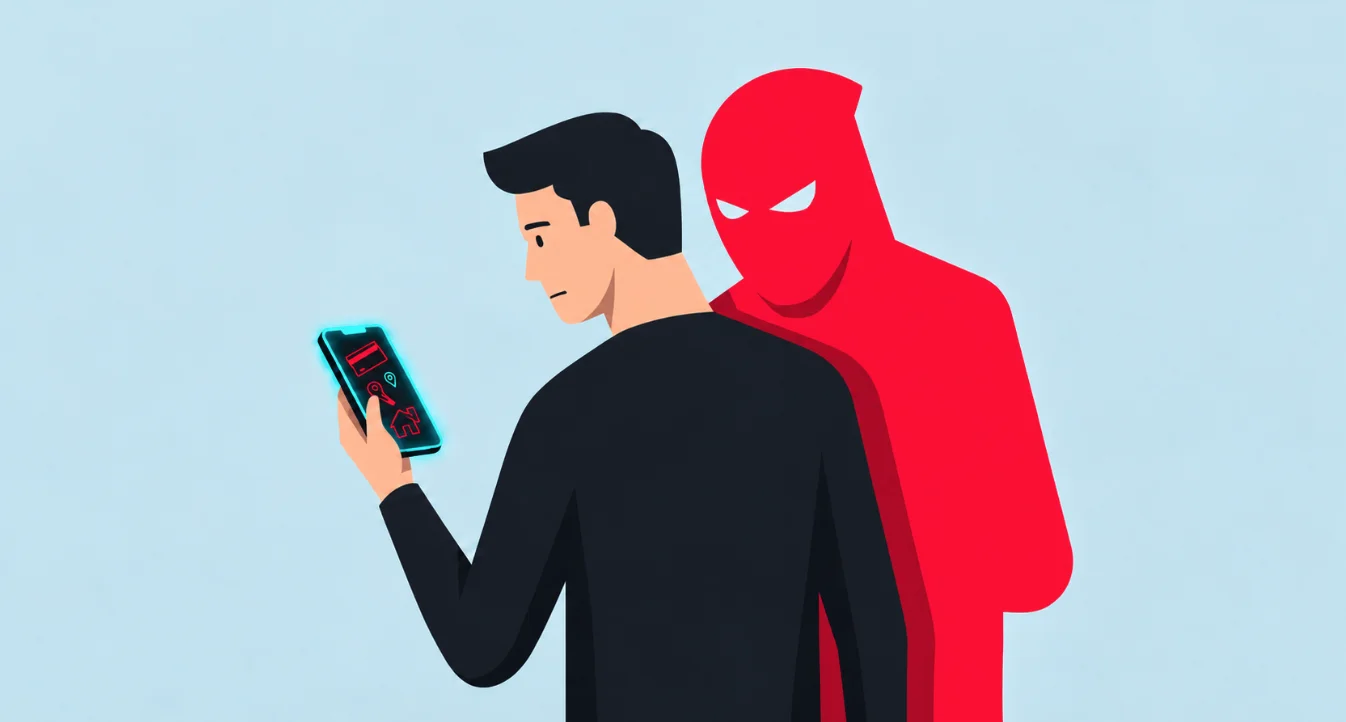
Without doing anything obviously risky, you may have shown a near stranger where to find you in the morning, where you return at night, and what your building looks like.
Does this mean you should distrust everyone you meet online? No. But trust does not have to grow as quickly as attraction, and personal details can be shared gradually.
Why boundaries matter even when you like someone
Online safety is often discussed only in terms of scammers. But risk is not always fraud.
A person may be exactly who they say they are, yet you still do not know how they will respond to rejection, a boundary, or a decision not to meet again.
Some details help people get acquainted: interests, favorite places, everyday habits, and weekend plans.
Other details make it easy to locate you, access accounts, or interfere with your life.
Take more time with the second category.
Your home address and daily route
“What part of town do you live in?” can be ordinary conversation.
“Which building and entrance? I'll pick you up” asks for much more.
For a first date, choose a public meeting place and arrange your own transportation. You do not need to disclose your building, entrance, or daily commute.
It is completely reasonable to say:
“Thanks, I'll get there myself. Let's meet outside the café.”
A good first date does not require either person to know the other's home address.
Work, routines, and places where you can be found
Sharing your profession is normal. Providing your entire schedule is not necessary.
A small company's name, when your shift ends, your regular route, and the café next to your office may seem insignificant separately. Together, they form a detailed picture.
You can say:
“I work in design, mostly on websites.”
You can mention liking walks after work without naming the exact building you leave every evening.
This is not dishonesty. You are still getting to know each other.
Phone numbers and social media profiles
Moving a conversation to a messenger is not inherently suspicious. But a phone number or public profile may reveal your surname, workplace, family photos, and locations you never intended to share.
Before exchanging contacts, check what someone can learn from your number or username alone.
If you prefer to stay in the dating app, say so:
“I'm more comfortable talking here for now.”
The suggestion to switch apps matters less than the reaction to your answer. Respecting a “not yet” is different from pressuring you or treating your privacy as an insult.
Identity documents, payment details, and verification codes
Never send a dating match your passwords, one-time login codes, sensitive bank card details, or photos of identity documents simply to keep the conversation going.
Be especially cautious of someone who insists you must prove that you are real:
“Use this verification website. Enter your card. It only costs a tiny amount.”
A link like that can lead to a fraudulent payment form or an unwanted subscription. Use only verification features provided through the service's official channels, not links sent by strangers.
If a login code arrives on your phone, do not share it—even if the person says they entered your number by accident.
Money requests, even when the story is convincing
You have been talking for two weeks. They are attentive, send photos, and discuss a possible meeting.
Then a sudden emergency appears: a sick relative, a frozen card, travel expenses.
“Could you lend me the money until tomorrow?”
Romance scams can begin with exactly this kind of plausible story.
Do not send money, cryptocurrency, gift cards, or transfers for a supposed investment to someone you know only through online conversation.
Emotional closeness does not automatically justify financial trust.
If you have already sent money, contact your bank or payment service promptly, preserve the messages, and report suspected fraud.
Personal and intimate photos
A casual selfie from a café is one thing. A photo you would never want strangers to see is another.
Once an image has been sent, you cannot fully control whether it will be saved, forwarded, or shown elsewhere.
This matters particularly with intimate images. Neither affection nor a promise to keep them private provides a technical guarantee.
You can say no without defending the decision.
If someone threatens to publish an image or demands payment or further photos, do not comply. Save evidence, stop engaging, and seek help from the platform and appropriate authorities.
Location clues hiding inside ordinary photos
Sometimes we reveal information without writing a word.
A view from your window may identify a building. A desk photo may show a work pass. A delivery screenshot may reveal a home address.
Before sharing, glance at the background and edges of the image.
You do not need to stop posting photos of your life. Just avoid sharing details that pinpoint where you are or expose sensitive information.
Check location-sharing settings too. A new online match rarely needs access to your precise, ongoing location.
A few simple habits before the first date
Choose a busy public setting: a café, exhibition, or other place with people around.
Arrange your own way there and home.
Tell someone you trust where you are meeting and consider checking in afterward.
You do not need a rigid date itinerary. You do need the freedom to leave if you want to.
If someone insists on a secluded location, their home, or an explanation for every boundary, you can cancel the meeting.
How to recognize respect for privacy
A good sign is not that a person never asks questions. Curiosity is part of dating.
What matters is how they respond to:
“I'd rather not share that yet.”
“I'd like to keep talking here.”
“I'll make my own way to the date.”
Someone may be surprised, but they do not turn your answer into a test of trust, an argument, or a reason to punish you.
Respect for small boundaries often tells you a lot about whether further contact will feel comfortable.
What if you have already shared too much?
There is no need to panic because you mentioned your neighborhood or gave someone your number.
You can still review privacy settings, hide unnecessary information on social media, stop location sharing, and avoid giving out more details.
If messages become persistent or threatening, preserve evidence, block the person, and report the behavior to the platform. If you face immediate physical danger, contact emergency services.
Staying safe does not mean avoiding connection
Closeness grows over time.
First you discuss music. Then work. Later you share favorite places, meet friends, and learn more about one another's lives.
You do not have to reveal everything in the first ten messages because the conversation feels promising.
Caramelle gives people space to begin with profiles, interests, and conversation at their own pace. No app, though, can replace your own choices about what to share and when.
Trust is not a password you need to hand over at the start. It develops as you get to know someone.
Frequently asked questions
Is it safe to share my phone number with someone from a dating app?
You can share it when you feel comfortable, but first check what details are discoverable through that number. Do not switch apps merely because someone pressures you.
Is moving to Telegram immediately a red flag?
Not by itself. Pressure, suspicious links, requests for money, and refusal to respect your boundaries are much more informative signals.
What personal information should I never send?
Passwords, login verification codes, sensitive bank card details, and identity documents that are not needed for a conversation. Avoid rushing to share your exact address, schedule, or live location too.
Is it safe to send photos?
Even everyday images can expose addresses, documents, or location clues. Intimate images call for particular care because you cannot fully control their circulation once sent.
What should I do if someone asks for money?
Do not send it, even if the story sounds urgent. If you have already transferred money, contact the payment provider, retain evidence, and report suspected fraud.
Where should a first date take place?
Choose a busy public location and arrange independent transportation. Let someone you trust know your plans.
A question for readers
Have you ever felt that someone you met online asked for personal information too quickly? How did you respond?
In our next article, we'll look at online dating in 2026 more broadly: how to find compatible people, avoid endless swiping, and move toward real-life meetings.